Internal tools, dashboards, and workflow systems built around your specific processes — replacing spreadsheets and manual handoffs with a system your team actually wants to use.

Built for modern SaaS products
Custom Software Development Services in Egypt
We build software around how your business actually runs — not the other way around. From internal systems to customer-facing platforms, Zoom IT designs, builds, and supports custom solutions for businesses operating in Egypt.
Trusted by Leading Brands







Selected Projects
Our Work
A look at how we've helped businesses turn operational challenges into custom-built software.
-1.jpg&w=3840&q=95)
Shah Cement – Corporate Website & Dealer/Project Management Portal
Shah Cement by ZOOM IT is a modern corporate website with dealer, project, and customer management modules, showcasing products, solutions, and brand leadership in Bangladesh’s cement industry.
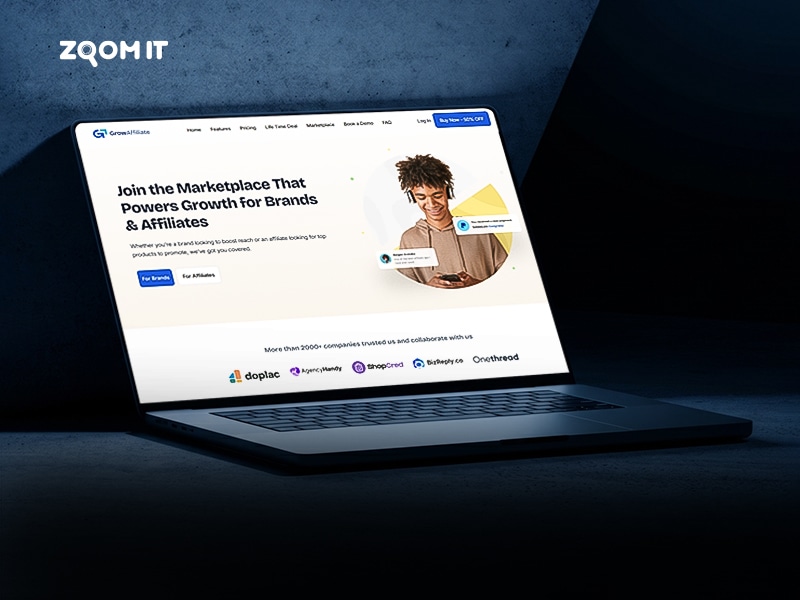
GrowAffiliate – Affiliate Marketing SaaS Platform
GrowAffiliate is a SaaS affiliate marketing platform built to help businesses manage campaigns, affiliates, referrals, rewards, payouts, branding, email automation, and subscription plans from one central dashboard.
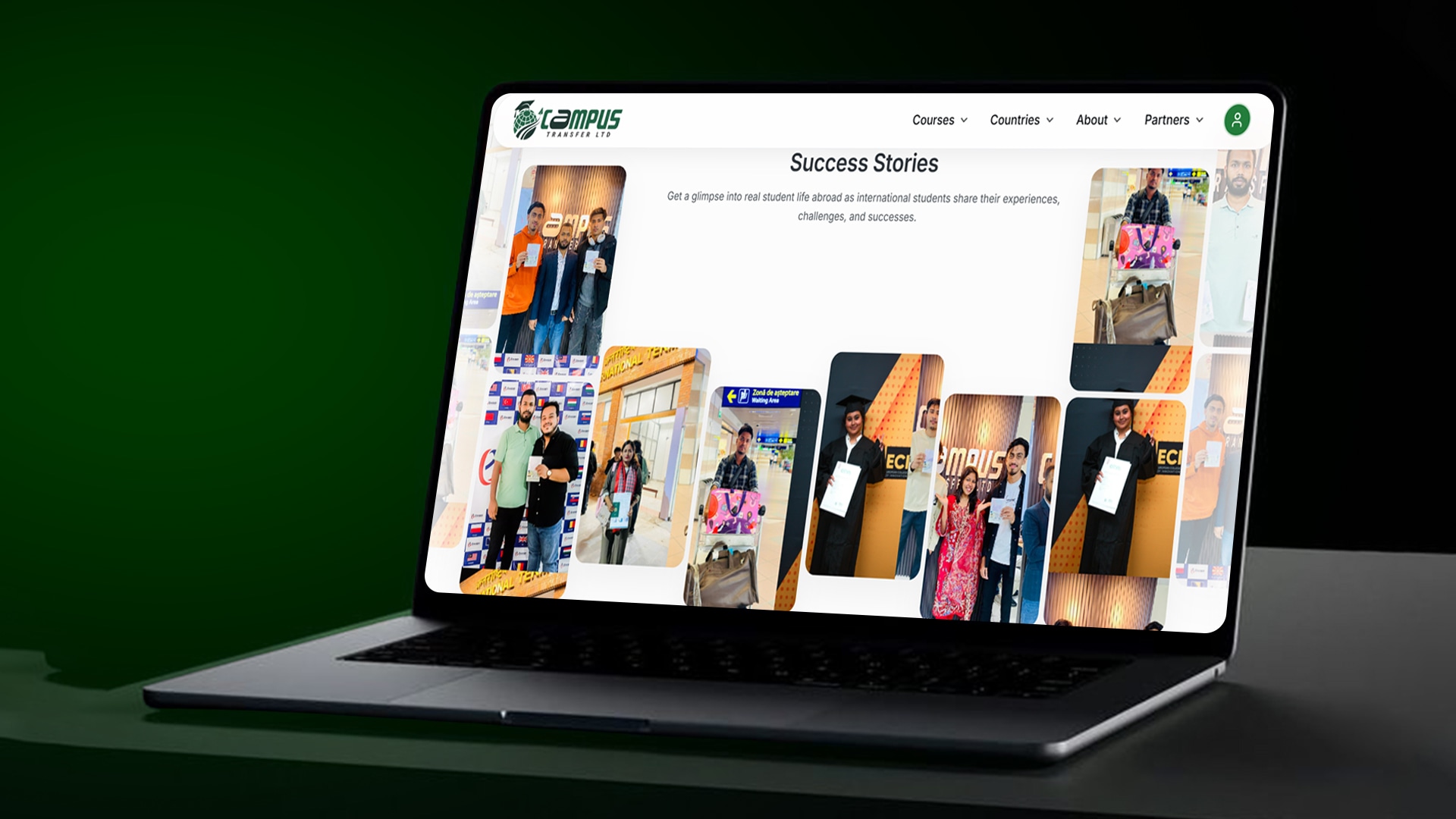
Campus Transfer – International Education Consultancy & Study Abroad Portal
Campus Transfer is a comprehensive global education platform designed to simplify the study-abroad journey, connecting international students with top universities across the UK, USA, Canada, Germany, and Europe.
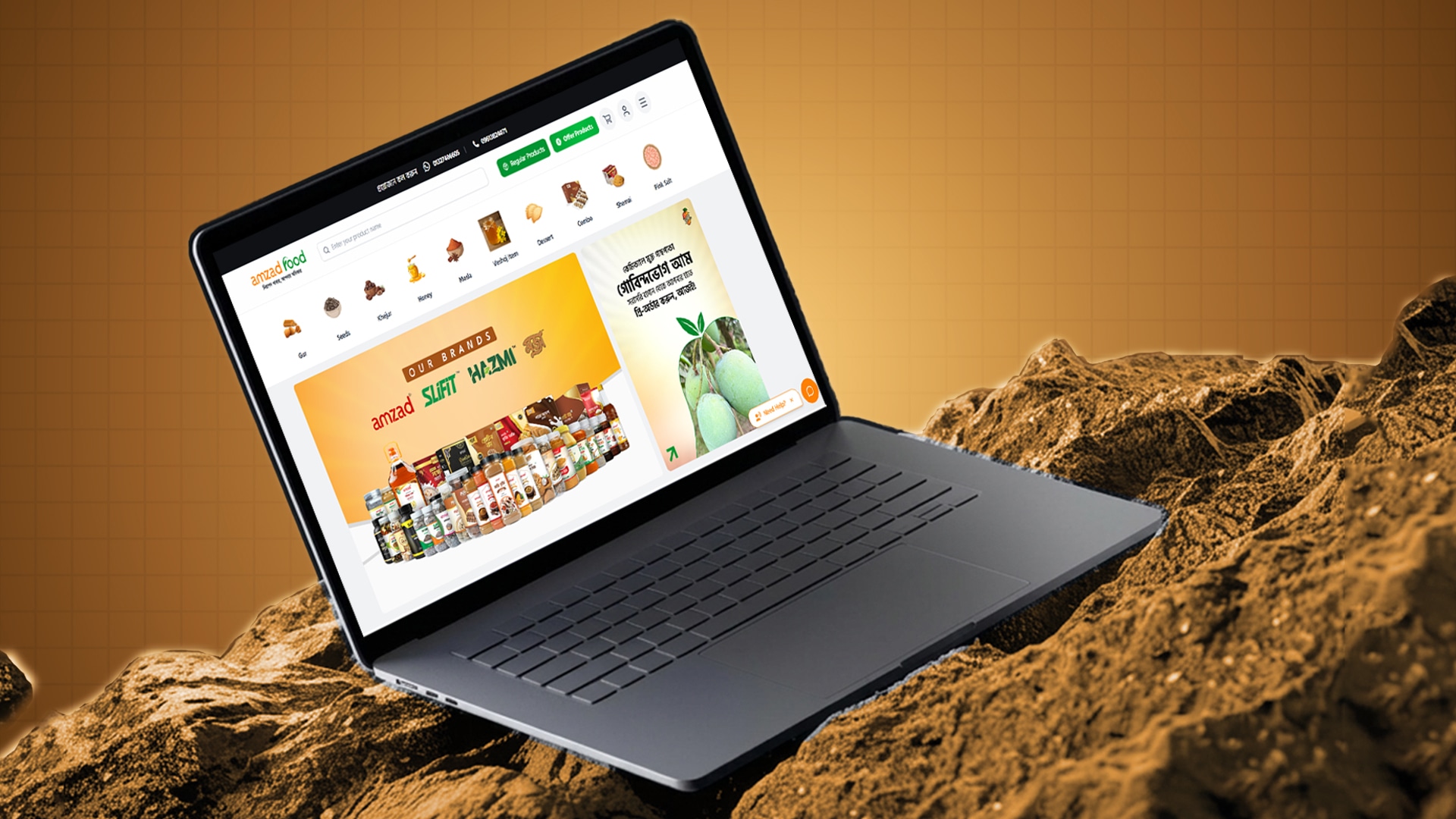
Amzad Food – Premium Organic & Healthy Food E-Commerce Platform
Amzad Food is a specialized premium D2C e-commerce platform dedicated to offering pure, chemical-free, and organic traditional food items such as organic honey, pure ghee, premium dates, natural seeds, and seasonal mangoes across Bangladesh.
Start Your Project
Have a process that’s outgrown its current tools, or a project that needs a partner who’ll actually understand it before proposing a solution? Let’s talk.
What We Build
We design and build software across the full range a growing business actually needs — not a narrow specialty stretched to cover everything.
Websites and web applications built for performance and conversion, from corporate sites to complex, database-driven platforms.
Online stores and retail platforms built to handle real transaction volume — including direct integration with Egypt's ETA e-invoicing and e-receipt system that retail and service businesses are now required to support.
Systems that unify inventory, finance, procurement, and operations into one source of truth, replacing the disconnected spreadsheets most growing businesses default to.
Sales and customer management systems built around your actual sales process, not a generic pipeline that forces your team to adapt to someone else's workflow.
Patient records, scheduling, and billing systems built with the data protection controls that regulated healthcare data requires under Egypt's Personal Data Protection Law.
Enrollment, course management, and assessment systems built for institutions and training providers managing growing student populations.
For businesses that need ongoing capacity rather than a single project, we assemble a team that works as an extension of yours — not a rotating pool of shared developers.
+
Industries Served
%
Code Ownership, Always
+
Years Building Custom Software

No guesswork, no vague retainer — a scoped, itemized estimate you can act on
See Your Price Before You Commit to Anything
The calculator above gives you a starting range based on real project components, not a one-size-fits-all package. If your requirement doesn’t fit neatly into the categories listed, talk to our team directly — we’ll walk through your specific process and come back with a proposal scoped to what you actually need, not a template.
What You Can Expect
Less Manual Work
Built around your actual process, eliminates the workarounds and manual re-entry that generic tools force onto growing teams.
Lower Long-Term Cost
A per-user or per-transaction subscription gets more expensive every time your business grows; software you own doesn’t charge you more for your own success.
A System That’s Actually Yours
You own the code, the architecture, and the roadmap — no vendor lock-in tied to renewing the same underlying system.
Why Work With Zoom IT
Businesses evaluating a software partner in Egypt are usually choosing between a freelancer, a large generalist outsourcing shop, or a team built to avoid the tradeoffs of both.
01
Direct Access to Your Builders
You work directly with the people building your software rather than through layers of account management — nothing gets lost in translation.
02
Scoped to Your Actual Requirement
Every project is scoped around your specific requirement instead of a repeated template forced onto every client.
03
One Team, Start to Finish
The same team stays on your project from start to finish — so nobody has to catch up mid-build.
Technologies We Work With
We work with a proven, modern stack — chosen for the project, not forced onto it.
Node.js
React
Docker
AWS
MongoDB
PostgreSQL
Node.js
React
Docker
AWS
MongoDB
PostgreSQL
PostgreSQL
MongoDB
AWS
Docker
React
Node.js
PostgreSQL
MongoDB
AWS
Docker
React
Node.js
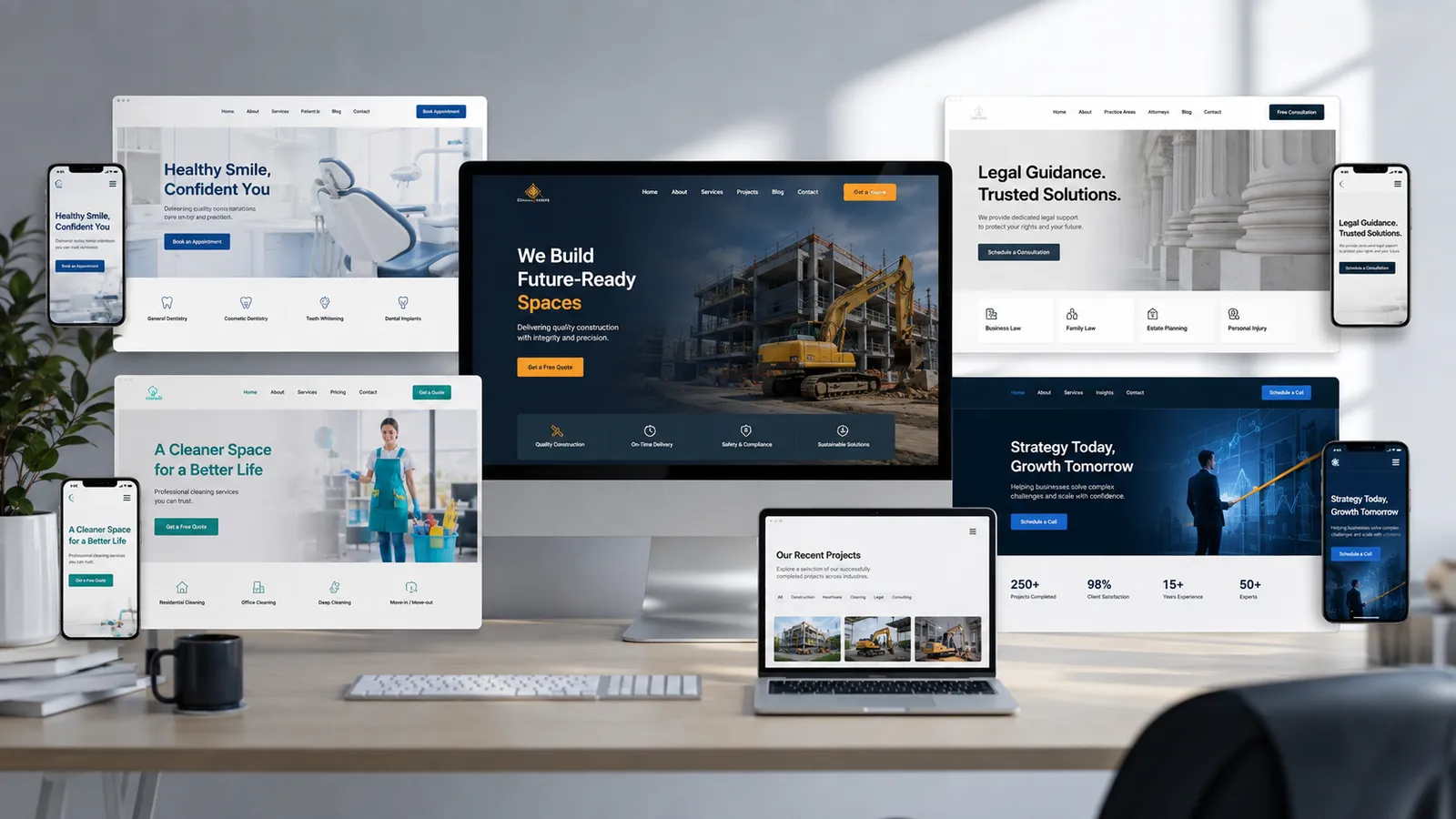
A sample of the platforms above came out of the same process we’d run for your project
Software We’ve Already Built for Businesses Like Yours
From a dealer and project management portal for a cement manufacturer to a SaaS affiliate marketing platform, an international education consultancy portal, and a premium e-commerce storefront — each project started the same way yours would: a real operational bottleneck, not a feature wishlist. Explore the case studies above to see the kind of problems we’re used to solving.
Our Process
Discovery
We start by understanding the actual problem — your current process, where it breaks down, and what a working solution needs to do — before any technical discussion happens.
Scoping & Proposal
You receive a defined scope, a technology recommendation, a timeline, and a cost tied to that scope, so there's a concrete plan to evaluate before committing.
Design & Architecture
We map the data model, system architecture, and user experience up front — the decisions that are cheap to change now and expensive to change once development is underway.
Development
We build in short, working increments so you can see progress and give feedback along the way, rather than waiting months for a single big reveal.
Testing
We test against real usage patterns, not just the happy path, so issues surface before your customers find them.
Deployment
We roll out in a controlled way, with a rollback plan in place, so going live doesn't put your existing operations at risk.
Ongoing Support
After launch, we stay involved to fix issues, add features, and keep the system running smoothly as your business grows.
Different projects call for different working relationships. We offer three.
How We Deliver
Different projects call for different working relationships. We offer three.
Software built around how differen
Industries We Serve
We've built custom software across a range of industries, each with its own workflows, compliance needs, and edge cases.
Frequently Asked Questions
Why Businesses in Egypt Are Moving to Custom Software
Most businesses don't set out to build custom software — they get pushed into it. A generic tool covers the basics, and then the business grows past what that tool was ever designed to handle: a workaround here, a manual export-and-re-import there, a subscription that keeps climbing as headcount grows.
Egypt's digital economy is moving fast enough that this gap is closing quickly. Digital exports climbed 124% to $7.4 billion in 2025, up from $3.3 billion in 2018, and the ICT sector was Egypt's fastest-growing industry in the 2023/24 fiscal year at 14.4% growth (MCIT). At the same time, regulation is accelerating the shift directly: as of January 2026, Egypt cut its mandatory e-invoicing registration threshold from EGP 500,000 to EGP 250,000 in annual revenue, pulling a much larger set of small and mid-sized businesses into a compliance requirement that off-the-shelf accounting tools often can't handle without a direct integration to the Egyptian Tax Authority's platform.
The businesses moving first aren't doing it because custom software is trendy — they're doing it because the tool they're using has stopped fitting the business it was meant to support.